

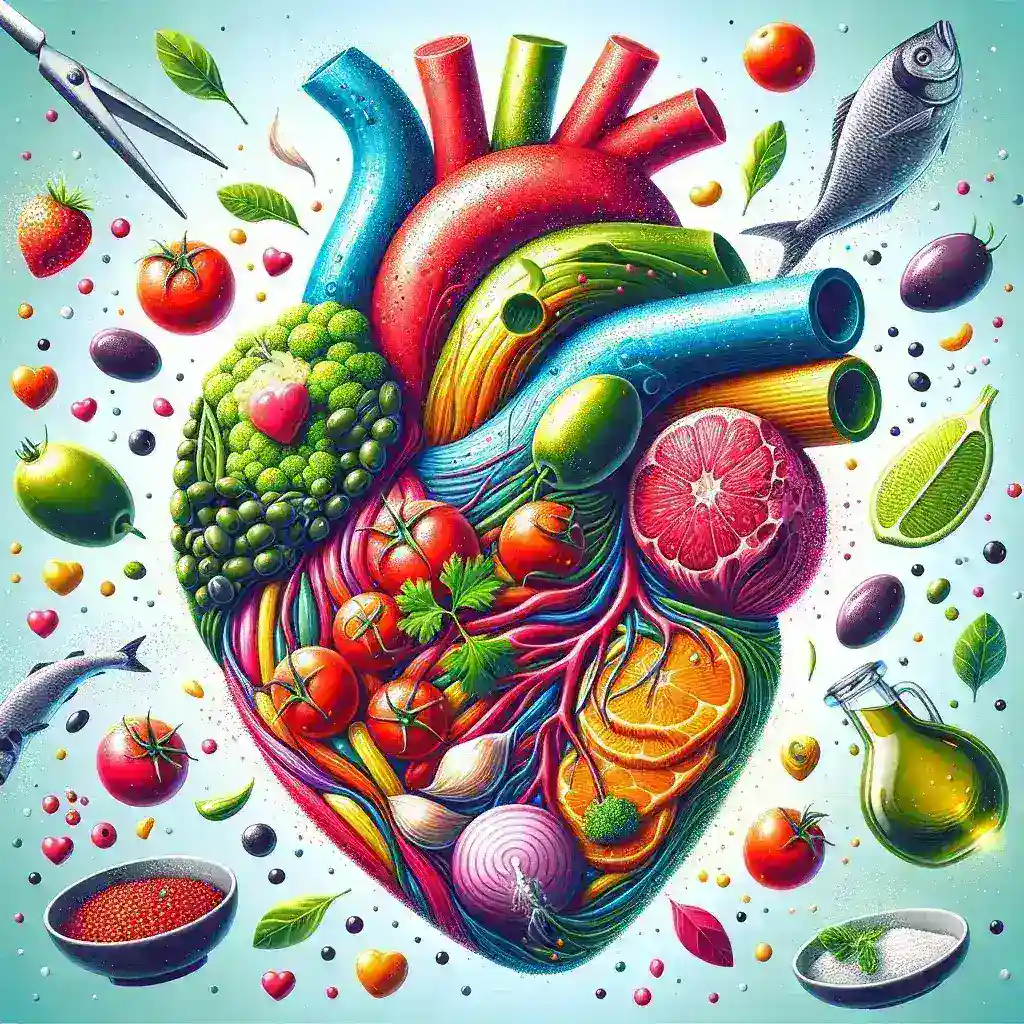
The Mediterranean Diet Hype: Separating Fact from Fiction
Walk into any bookstore or scroll through social media, and you’ll encounter countless claims about the Mediterranean diet being a miracle solution for heart health. Cookbook authors promise transformative results, wellness influencers tout olive oil as liquid gold, and health websites present the eating pattern as universally beneficial. But how much of this enthusiasm stands up to scrutiny?
The Mediterranean diet has dominated nutrition headlines for decades, celebrated for its supposed cardiovascular benefits and association with longevity. Research institutions from Harvard to the Mayo Clinic reference it regularly. Yet a closer examination reveals nuances, contradictions, and limitations that mainstream coverage often glosses over. Some populations show dramatic benefits, while others experience minimal changes. Certain olive oil varieties contain measurable anti-inflammatory compounds, while others offer little beyond basic fat content.
This exploration takes a skeptical lens to examine what evidence actually supports—and what it questions—about Mediterranean diet recipes, heart-healthy foods, and olive oil benefits. We’ll challenge popular assumptions, present competing perspectives, and dig into the research that both champions and critics cite.
TL;DR: Key Takeaways
- Population matters: Mediterranean diet benefits show strongest evidence in European populations; results vary significantly across different ethnic groups and genetic backgrounds
- Olive oil quality varies dramatically: Extra virgin olive oil contains polyphenols with measurable anti-inflammatory properties, but many commercial products fail purity tests
- It’s a pattern, not magic: Benefits likely stem from the combination of whole foods, not individual «superfoods»—no single ingredient creates the effect
- Industry influence is real: Olive oil producers and Mediterranean tourism boards heavily fund research, raising questions about bias in some studies
- Implementation challenges exist: Cost, access, and cultural food preferences create barriers that research rarely addresses
Understanding the Mediterranean Diet: Beyond the Marketing
The term «Mediterranean diet» itself presents the first problem. There’s no single Mediterranean diet—eating patterns vary considerably between Greece, Italy, Spain, southern France, and North African countries bordering the Mediterranean Sea. What researchers typically reference is a composite pattern identified in 1960s Crete and southern Italy, characterized by high consumption of vegetables, fruits, whole grains, legumes, nuts, fish, and olive oil, with moderate wine intake and minimal red meat.
Dr. Ancel Keys popularized this eating pattern through his Seven Countries Study, which found correlations between dietary fat intake and heart disease rates. However, critics have pointed out methodological limitations in Keys’ work, including selective country inclusion and failure to account for confounding variables like smoking rates, physical activity levels, and healthcare access. The debate continues: did Keys identify a genuine dietary effect, or did he observe broader lifestyle and genetic factors?
What the Research Actually Shows
The PREDIMED trial, published in the New England Journal of Medicine in 2013 (and re-analyzed in 2018 after methodological concerns), remains the most cited evidence for Mediterranean diet benefits. This Spanish study of approximately 7,500 participants found that those assigned to a Mediterranean diet supplemented with extra virgin olive oil or nuts had roughly 30% fewer cardiovascular events compared to a low-fat diet control group over nearly five years.
But here’s what often goes unmentioned: The study population consisted entirely of older Spanish adults at high cardiovascular risk. Researchers had to retract and republish the study due to protocol deviations affecting randomization. The «low-fat» control group didn’t actually achieve very low fat intake, making the comparison less dramatic than headlines suggested. And the absolute risk reduction, while statistically significant, translated to preventing roughly 3 events per 100 people over five years—meaningful but not miraculous.
Meta-analyses show more modest effects. A 2019 Cochrane review examining 30 randomized controlled trials found that Mediterranean diet interventions produced small reductions in cardiovascular mortality but acknowledged high heterogeneity across studies and generally low-to-moderate quality evidence. The improvements appeared real but variable.
Heart-Healthy Foods: Examining Individual Components
The Mediterranean diet debate often shifts to specific foods marketed as particularly beneficial. Let’s examine claims about individual components with appropriate skepticism.
Olive Oil: Measuring the Benefits
Extra virgin olive oil contains oleic acid (a monounsaturated fat), vitamin E, and polyphenolic compounds like oleocanthal and oleuropein. Laboratory studies show these polyphenols have anti-inflammatory and antioxidant properties in cell cultures. Human studies demonstrate that high-polyphenol olive oil can reduce LDL oxidation and improve endothelial function—measurable cardiovascular markers.
Yet significant problems emerge in real-world application. Testing by organizations including UC Davis and the International Olive Council reveals that 60-90% of olive oils labeled «extra virgin» in US supermarkets fail to meet international purity standards. Many are diluted with refined olive oil or other vegetable oils, or have been heat-damaged during processing, destroying the beneficial polyphenols that supposedly justify premium prices.
Furthermore, olive oil remains calorie-dense at 120 calories per tablespoon. Weight gain from excessive consumption could negate cardiovascular benefits. The PREDIMED trial provided free olive oil to participants and specific consumption guidance—a very different scenario than consumers liberally adding it to foods while maintaining their existing calorie intake.
Fish Versus Fish Oil Supplements
Mediterranean populations traditionally consumed whole fish—sardines, anchovies, mackerel—two to three times weekly. These provide omega-3 fatty acids (EPA and DHA), complete protein, selenium, and vitamin D in a whole-food matrix. Research on whole fish consumption shows consistent associations with reduced cardiovascular risk.
Compare this to the fish oil supplement industry, worth over $4 billion annually. Recent large-scale trials including VITAL (2019) and STRENGTH (2020) found that omega-3 supplements provided no significant cardiovascular benefit in general populations. The difference likely matters: whole fish provides nutrients in ratios and combinations that supplements don’t replicate, along with displacing less healthy protein sources like processed meats.
Does this mean fish oil supplements are worthless? Not necessarily for everyone—people with very high triglycerides may benefit from prescription-strength omega-3s. But the evidence doesn’t support population-wide supplementation as a substitute for dietary patterns.
Mediterranean Diet Recipes: Practical Implementation Challenges
Cookbooks and websites overflow with Mediterranean diet recipes promising health transformation. But translating traditional eating patterns into different cultural contexts, climates, and economic situations creates obstacles that recipe collections rarely acknowledge.
The Authenticity Question
Many recipes marketed as «Mediterranean» bear little resemblance to traditional preparations. Authentic Mediterranean cooking relies on seasonal, locally available ingredients prepared simply—grilled fish with lemon, vegetables sautéed in olive oil with garlic, legume stews, whole grain bread. Modern recipe adaptations often add cream, excessive cheese, or complex preparations that fundamentally alter the nutritional profile.
A Greek horiatiki salad traditionally contains tomatoes, cucumbers, onions, olives, and feta with olive oil—simple, vegetable-focused, with cheese as an accent. Americanized «Greek salads» often feature iceberg lettuce, heavy feta portions, and creamy dressings, transforming a vegetable dish into a calorie-dense meal with minimal resemblance to the original.
Cost and Access Barriers
Quality extra virgin olive oil costs $15-40 per liter. Fresh fish prices vary regionally but often exceed $12-20 per pound for varieties recommended in Mediterranean diet guidance. Nuts, a dietary staple, cost $8-15 per pound. For families on limited budgets, these prices create real barriers that research protocols don’t address—PREDIMED provided olive oil and nuts free to participants.
A 2021 analysis in the Journal of Nutrition Education and Behavior calculated that following Mediterranean diet patterns costs approximately $1.50-2.00 more per person daily compared to typical American diets. For a family of four, this adds $180-240 monthly—a significant burden for households earning median incomes or less.
| Food Component | Traditional Mediterranean | Typical American Alternative | Cost Difference (per serving) |
|---|---|---|---|
| Primary fat | Extra virgin olive oil | Vegetable/canola oil | +$0.40-0.80 |
| Protein (3x/week) | Fresh whole fish | Chicken breast | +$2.50-4.00 |
| Whole grains | Farro, bulgur, artisan bread | White rice, sandwich bread | +$0.30-0.60 |
| Nuts (daily) | Almonds, walnuts (1 oz) | Not typically consumed | +$0.50-0.75 |
| Fresh vegetables | Variety of seasonal produce | Limited variety, some canned | +$0.80-1.20 |
Industry Trends: Following the Money
Taking a skeptical view requires examining who funds Mediterranean diet research and promotes related products. The California Olive Oil Council, International Olive Council, Oldways Preservation Trust (partly industry-funded), and various Mediterranean agricultural boards provide substantial research funding and promotional support.
This doesn’t automatically invalidate findings, but it warrants scrutiny. A 2020 analysis in Public Health Nutrition examined nutrition research funding sources and found that industry-sponsored studies were 4-8 times more likely to report conclusions favorable to the sponsor’s products. While many Mediterranean diet studies come from academic institutions, industry influence on research priorities, publication emphasis, and public messaging remains significant.
The global olive oil market exceeded $16 billion in 2023, with projected growth to $22 billion by 2030. Mediterranean tourism industries actively promote regional diets as destination marketing. Wine industries cite «moderate consumption» research while downplaying alcohol-related health risks. These commercial interests don’t negate scientific findings, but they shape which research gets funded, publicized, and translated into public health messaging.
The Supplement Industry’s Mediterranean Pivot
Supplement manufacturers increasingly market products as «Mediterranean diet support»—olive leaf extract, omega-3s, resveratrol from red wine, polyphenol concentrates. The industry has recognized consumer interest and capitalized accordingly. Yet as discussed earlier, evidence for isolated supplements versus whole foods shows substantial gaps. For those seeking longevity nutrition, balanced eating approaches, examining whether whole food patterns or extracted supplements provide better outcomes remains crucial.
This trend reflects a broader pattern: taking traditional dietary wisdom, isolating components for commercial products, and marketing them as equivalent or superior to the original pattern. Whether this represents innovation or exploitation depends partly on one’s perspective and partly on the actual evidence—which for most supplements remains underwhelming.
Common Misconceptions About Mediterranean Diet Recipes and Heart Health
Let’s address several widespread beliefs that oversimplify or misrepresent the evidence.
Misconception 1: «All Mediterranean Foods Are Automatically Healthy»
Traditional Mediterranean diets include foods modern nutrition science doesn’t consider particularly healthy. Many regions consume substantial bread and pasta—refined carbohydrates that spike blood sugar. Greek and Italian cuisines feature fried foods like calamari and arancini. Cured meats like prosciutto and salami appear regularly in Italian cuisine, despite processed meat’s links to cardiovascular disease and cancer.
The health benefits likely come from overall dietary patterns—high vegetable intake, whole food emphasis, fish over red meat—not from every individual food being optimal. You can’t simply add Italian sausage and tiramisu to your diet and claim Mediterranean health benefits.
Misconception 2: «More Olive Oil Is Always Better»
While replacing saturated fats and trans fats with olive oil shows benefits, olive oil remains calorie-dense. Consuming excessive amounts contributes to weight gain, which independently increases cardiovascular risk. Traditional Mediterranean populations didn’t drench every food in olive oil—they used it moderately as their primary fat source, within an overall calorie-appropriate diet.
Research supporting olive oil benefits typically involves 2-4 tablespoons daily (240-480 calories), replacing other fats, not added on top of existing intake. The distinction matters enormously for real-world application.
Misconception 3: «The Mediterranean Diet Works the Same for Everyone»
Genetic variations affect how individuals respond to dietary fats. Apolipoprotein E (APOE) genotypes influence cholesterol metabolism—people with certain variants respond differently to dietary fat intake. Lactase persistence varies by ancestry, affecting dairy tolerance. These genetic differences mean population-level findings don’t automatically apply uniformly to individuals.
Additionally, gut microbiome composition influences nutrient metabolism and may affect how people respond to dietary changes. Emerging research suggests the microbiome partly determines whether individuals experience benefits from specific dietary patterns. This doesn’t invalidate Mediterranean diet research, but it complicates the «one-size-fits-all» messaging common in popular coverage.
Practical Mediterranean Diet Recipes: What Actually Works
Setting skepticism aside, what practical approaches show promise for those interested in incorporating Mediterranean eating patterns?
Focus on Patterns, Not Individual Foods
Rather than obsessing over specific ingredients, emphasize overall dietary structure: make vegetables the foundation of most meals, use legumes and fish as primary proteins several times weekly, choose whole grains over refined ones, use nuts as snacks, and make olive oil your primary added fat while controlling total portions. This pattern-based approach matters more than perfectly replicating specific traditional recipes.
Simple, Sustainable Recipes
Complexity creates barriers to sustained behavior change. The most practical Mediterranean diet recipes require minimal ingredients and preparation:
- White bean and vegetable soup: Onions, garlic, carrots, celery, canned white beans, vegetable broth, olive oil, herbs—ready in 30 minutes
- Simple grilled fish: Any firm fish, olive oil, lemon, salt, herbs—15 minutes total
- Grain bowls: Cooked farro or bulgur, roasted vegetables, chickpeas, olive oil and lemon dressing, fresh herbs
- Greek-style lentils: Lentils simmered with tomatoes, garlic, bay leaves, finished with olive oil and red wine vinegar
These simple preparations make vegetables and legumes appealing without requiring culinary expertise or expensive specialty ingredients. Sustainability trumps perfection for long-term dietary change.
Strategic Substitutions for Budget Constraints
When cost creates barriers, strategic substitutions maintain dietary pattern benefits while reducing expenses. Canned sardines and mackerel cost $2-4 per can versus $15-20 for fresh fish, while providing similar omega-3 content. Buying whole nuts in bulk reduces costs 40-60% compared to small packages. Seasonal produce costs substantially less than out-of-season imports. Dried legumes cost one-third to one-half the price of canned versions with minimal additional preparation time.
These adaptations may not replicate traditional Mediterranean meals exactly, but they capture the core dietary pattern in more accessible formats.
People Also Ask: Mediterranean Diet and Heart Health Questions
Is the Mediterranean diet scientifically proven to prevent heart disease?
Research shows associations between Mediterranean eating patterns and reduced cardiovascular risk, with the strongest evidence from European populations. The PREDIMED trial found approximately 30% risk reduction, though methodological limitations exist. Benefits appear real but vary individually.
What makes olive oil heart-healthy compared to other oils?
Extra virgin olive oil contains monounsaturated fats and polyphenols like oleocanthal that reduce inflammation and LDL oxidation. However, many commercial olive oils lack these compounds due to processing or adulteration. Quality matters significantly for purported benefits.
Can I follow a Mediterranean diet on a tight budget?
Budget constraints create challenges but strategic choices help: canned fish instead of fresh, bulk nuts, dried legumes, seasonal produce, and moderate olive oil use. The core pattern—emphasizing vegetables, whole grains, and legumes—remains affordable.
Do I need to drink red wine for Mediterranean diet benefits?
No. While moderate wine consumption appears in traditional patterns, evidence specifically for wine’s benefits remains limited and contested. Cardiovascular advantages come primarily from food choices. Non-drinkers shouldn’t start consuming alcohol for health reasons.
How long until I see heart health improvements from Mediterranean eating?
Some biomarkers like LDL cholesterol and blood pressure may improve within weeks to months. Cardiovascular event reduction requires sustained adherence over years. Quick fixes don’t exist—benefits accumulate through consistent long-term dietary patterns.
Alternative Perspectives: When Mediterranean Isn’t the Answer
Intellectual honesty requires acknowledging that Mediterranean eating patterns don’t represent the only evidence-based approach to cardiovascular health. The DASH diet (Dietary Approaches to Stop Hypertension) shows comparable benefits through different food combinations, emphasizing low-sodium and high-potassium intake. Plant-based diets eliminating all animal products demonstrate dramatic LDL cholesterol reductions in some studies, potentially exceeding Mediterranean diet effects.
Portfolio diet approaches combining specific cholesterol-lowering foods show benefits rivaling statin medications in some research. Traditional Asian dietary patterns emphasizing rice, vegetables, soy products, and fish show cardiovascular benefits in epidemiological studies, despite differing substantially from Mediterranean patterns.
The point isn’t that Mediterranean diets lack merit—evidence supports their benefits. Rather, they represent one of several evidence-based approaches, not a uniquely optimal solution. Individual preferences, cultural backgrounds, access, and responses likely matter more than which specific healthy eating pattern someone chooses.
Looking Forward: What Future Research Needs to Address
Several critical questions remain inadequately answered, despite decades of Mediterranean diet research. How do benefits vary across different genetic backgrounds and ethnicities? Most research involves Mediterranean or European populations—whether similar effects occur in Asian, African, or indigenous American populations remains understudied.
What specific mechanisms produce cardiovascular benefits? Is it the anti-inflammatory effects of polyphenols, the favorable fat composition, the high fiber intake, the antioxidant load, or synergistic combinations? Mechanistic understanding would clarify which components matter most and whether similar benefits could come from different food combinations.
How do Mediterranean diet patterns interact with modern processed food environments? Traditional patterns developed in contexts where ultraprocessed foods were largely unavailable. Can people successfully adopt Mediterranean eating while navigating modern food systems designed to promote convenient, hyperpalatable, calorie-dense products?
These questions don’t undermine existing evidence but highlight limitations in current knowledge and areas requiring deeper investigation.
The Balanced View on Mediterranean Diet, Heart Health, and Olive Oil
After examining evidence, industry influences, practical barriers, and alternative perspectives, what balanced conclusions emerge about Mediterranean diet recipes, heart-healthy foods, and olive oil benefits?
The evidence supporting cardiovascular benefits appears genuine but more modest and variable than popular coverage suggests. Mediterranean eating patterns emphasizing vegetables, whole grains, legumes, fish, and olive oil while limiting processed foods and red meat show consistent associations with reduced heart disease risk across multiple studies. The effects aren’t miraculous—roughly 25-30% risk reduction in favorable studies—but they’re meaningful.
Quality matters enormously. The benefits associated with extra virgin olive oil depend on polyphenol content that many commercial products lack. Fresh, whole foods provide nutrient combinations that supplements don’t replicate. Traditional recipes using simple preparations of seasonal ingredients capture the dietary pattern better than elaborated, Americanized versions.
Practical barriers deserve honest acknowledgment. Cost, access, cultural food preferences, and taste familiarity create real obstacles that research protocols don’t reflect. Telling low-income communities to buy expensive olive oil and fresh fish without addressing economic constraints accomplishes little.
Industry influence shapes research priorities and public messaging in ways that warrant critical awareness. This doesn’t negate scientific findings but contextualizes why certain dietary approaches receive disproportionate attention and commercial support.
Mediterranean eating patterns represent one evidence-based approach among several, not a uniquely optimal solution. Individual responses vary based on genetics, microbiome composition, baseline diet quality, and adherence sustainability. The best dietary pattern is one that someone can maintain long-term while meeting nutritional needs—whether that’s Mediterranean, DASH, plant-based, or another evidence-supported approach.