

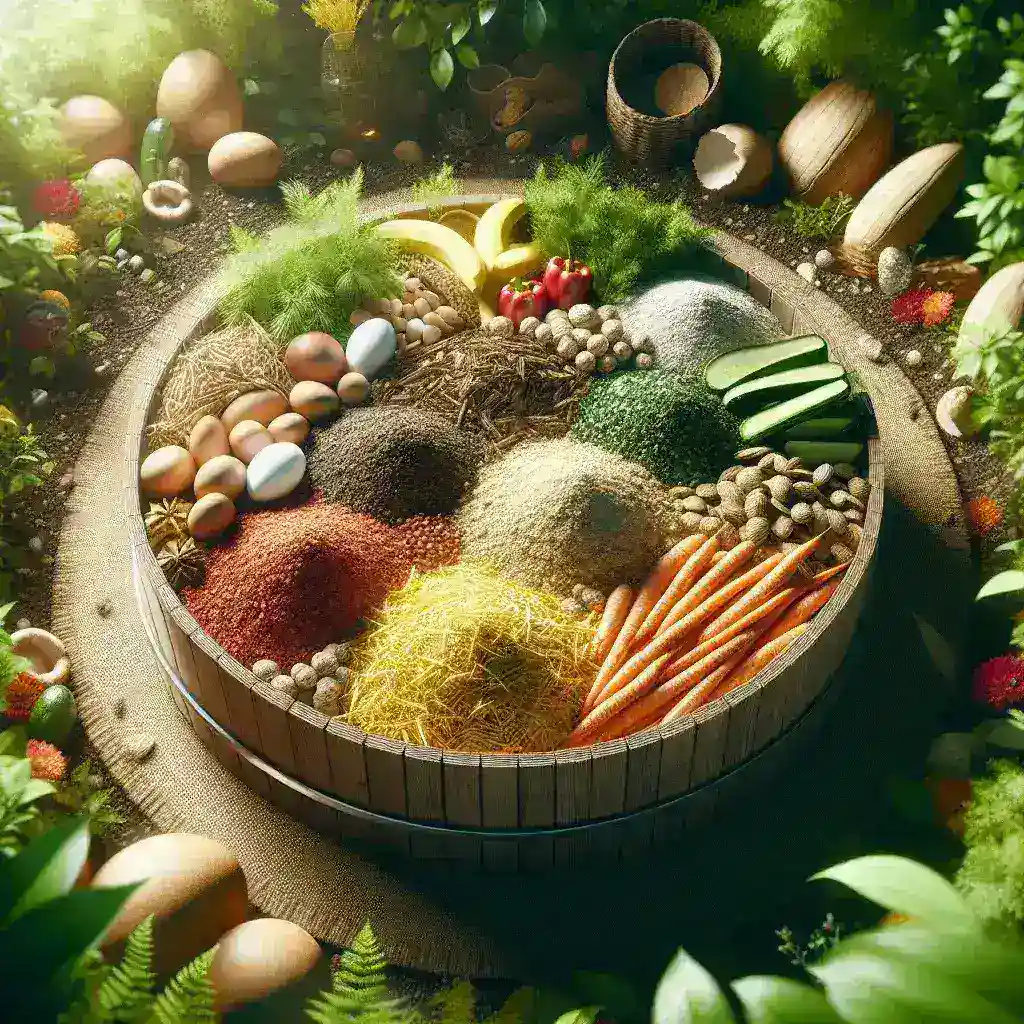
Understanding the Foundation of Organic Gardening
Imagine your garden as a living ecosystem, much like a forest floor where nothing goes to waste. Dead leaves decompose, insects break down organic matter, and nutrients cycle endlessly through soil, plants, and back again. This is the essence of organic gardening—working with nature’s systems rather than against them. Unlike conventional agriculture that relies heavily on synthetic inputs, organic methods harness biological processes that have sustained plant life for millions of years.
The global organic food market reached $220 billion in 2024, reflecting growing consumer awareness about chemical residues and environmental sustainability. This shift extends beyond commercial farms into residential yards, where home gardeners increasingly adopt practices that build soil health, conserve water, and eliminate toxic pesticides. The core principle underlying all organic gardening is simple: healthy soil creates healthy plants that naturally resist pests and diseases.
For students exploring sustainable agriculture and those interested in sustainable agriculture, understanding these interconnected systems provides essential knowledge applicable across scales—from windowsill herb gardens to multi-acre farms. The techniques discussed here form the building blocks of ecological literacy and practical environmental stewardship.
TL;DR – Key Takeaways
- Soil health is paramount: Organic gardening focuses on feeding soil organisms rather than plants directly
- Composting transforms waste: Kitchen scraps and yard debris become nutrient-rich amendments through controlled decomposition
- Natural fertilizers work differently: They release nutrients slowly through microbial activity rather than providing instant chemical fixes
- System thinking matters: Success requires understanding relationships between soil, water, plants, insects, and microorganisms
- Long-term benefits outweigh initial effort: Organic methods require patience but create self-sustaining garden ecosystems
Composting Methods: Converting Waste Into Garden Gold
Composting represents the cornerstone of organic gardening, functioning as both a waste-reduction strategy and a soil amendment factory. The process involves managing four key variables: carbon-to-nitrogen ratio, moisture content, oxygen availability, and temperature. When balanced correctly, beneficial microorganisms multiply rapidly, generating heat that accelerates decomposition while killing weed seeds and pathogens.
The Environmental Protection Agency reported in 2023 that food scraps and yard waste together constitute 30% of residential garbage. Diverting these materials to compost bins prevents methane emissions from landfills while creating a product superior to most commercial soil amendments. But which composting method works best for different situations?
Hot Composting vs. Cold Composting
Hot composting requires active management but produces finished compost in 6-8 weeks. By maintaining a carbon-to-nitrogen ratio around 30:1 and turning the pile every 3-5 days, internal temperatures reach 130-160°F. This thermal range eliminates most pathogens and weed seeds while dramatically speeding decomposition. The method demands attention but rewards gardeners with large volumes of finished compost during the growing season.
Cold composting, conversely, involves simply piling organic materials and waiting 6-12 months. No turning, no temperature monitoring, no precise ingredient ratios. Decomposition proceeds slowly through mesophilic bacteria that thrive at ambient temperatures. While easier, this method doesn’t kill weed seeds and requires significantly more space for the extended processing time.
A common misconception suggests cold composting produces inferior material. Research from Cornell University’s Waste Management Institute demonstrates that finished cold compost contains equivalent nutrient levels to hot compost—the difference lies in processing speed and pathogen reduction, not final quality.
Vermicomposting: Harnessing Earthworm Efficiency
Vermicomposting uses specific earthworm species—typically Eisenia fetida (red wigglers)—to process organic waste into castings, a nutrient-dense material with exceptional soil-building properties. One pound of red wigglers can process approximately half a pound of food scraps daily, making this method ideal for apartment dwellers and small-space gardeners.
The process occurs at room temperature in stackable bins or specialized containers. Worms consume bedding materials (shredded newspaper, cardboard) along with food scraps, producing castings rich in nitrogen, phosphorus, potassium, and beneficial microorganisms. Studies published in the journal BioCycle in 2023 found vermicompost increased tomato yields by 23% compared to conventional compost, attributed to plant growth hormones and disease-suppressing bacteria in worm castings.
| Composting Method | Processing Time | Space Required | Maintenance Level | Best For |
|---|---|---|---|---|
| Hot Composting | 6-8 weeks | Minimum 3×3×3 feet | High (turning every 3-5 days) | Large yards, quick results needed |
| Cold Composting | 6-12 months | Variable, often larger | Very low (no turning) | Abundant space, minimal effort |
| Vermicomposting | 3-6 months | Compact (stackable bins) | Moderate (weekly feeding) | Small spaces, apartments, continuous processing |
| Trench Composting | 4-6 months | In-ground only | Minimal (dig and bury) | Direct garden bed improvement |
Natural Fertilizers: Feeding Soil Biology
The distinction between conventional and organic fertilization approaches mirrors the difference between intravenous feeding and eating a balanced meal. Synthetic fertilizers deliver concentrated, immediately available nutrients—nitrogen, phosphorus, and potassium in precise NPK ratios. Plants absorb these quickly, producing rapid visible growth. However, this approach bypasses soil biology entirely, gradually depleting organic matter and beneficial microorganisms.
Natural fertilizers work through an entirely different mechanism. They feed soil organisms that, in turn, release nutrients to plants through complex biological processes. This slower release pattern matches plant uptake rates more closely, reducing nutrient runoff that pollutes waterways. Research from the Rodale Institute’s 40-year Farming Systems Trial demonstrates that organically managed soils sequester 28% more carbon and retain water significantly better during drought conditions.
Nitrogen Sources for Organic Gardens
Nitrogen drives leafy growth and overall plant vigor, yet remains the most challenging nutrient in organic systems. While atmospheric nitrogen surrounds us constantly, plants cannot use it directly—they require nitrogen fixed by bacteria or derived from decomposing organic matter.
Blood meal provides one of the richest nitrogen sources at 12-15% N, making it ideal for heavy feeders like corn, tomatoes, and leafy greens. Application rates typically range from 3-5 pounds per 100 square feet, incorporated before planting or side-dressed during active growth. The material releases nitrogen over 6-8 weeks as soil microbes break down protein compounds.
Fish emulsion offers a balanced approach with approximately 5-1-1 NPK ratio plus trace minerals. This liquid fertilizer, made from fish processing byproducts, can be applied as foliar spray or soil drench every 2-3 weeks. The smell dissipates within hours, though neighborhood cats may investigate treated areas initially.
Legume cover crops provide nitrogen through symbiotic relationships with Rhizobium bacteria. Crimson clover, hairy vetch, and field peas fix atmospheric nitrogen in root nodules, then release it as plants decompose. A dense stand of crimson clover can add 70-150 pounds of nitrogen per acre—equivalent to a substantial synthetic fertilizer application but without the environmental costs.
Phosphorus and Potassium from Natural Sources
Bone meal supplies phosphorus (15-27% P₂O₅) essential for root development, flowering, and fruit production. Application timing matters significantly: phosphorus moves slowly through soil, so gardeners should incorporate bone meal into planting holes rather than broadcasting on the surface. The material releases nutrients over an entire growing season.
Wood ash contains 3-7% potassium plus significant calcium, making it valuable for brassicas, root crops, and fruit trees. However, ash raises soil pH considerably—up to one point per 5 pounds applied to 100 square feet. Gardeners working with already alkaline soils should avoid ash or use it sparingly on acid-loving plants like blueberries.
Greensand, a marine deposit rich in glauconite mineral, provides slow-release potassium (5-7% K₂O) plus over 30 trace minerals. While expensive, a single application improves soil structure and nutrient availability for 4-5 years. This makes greensand particularly cost-effective in permanent plantings like orchards and perennial beds.
Building a Comprehensive Organic Garden System
How do these individual components—composting, natural fertilizers, and biological soil management—integrate into a functioning whole? The most successful organic gardeners think in terms of nutrient cycles and seasonal rhythms rather than isolated inputs.
Fall represents the critical season for system building. As vegetable gardens wind down, cover crops go in immediately. Winter rye, Austrian field peas, or a clover-rye mix protect soil from erosion, suppress weeds, and add organic matter when turned under in spring. This timing allows decomposition to occur before warm-season crops go in, preventing nitrogen tie-up that occurs when fresh green matter breaks down.
Spring soil preparation begins 3-4 weeks before planting. Finished compost gets incorporated at 1-2 inches depth across beds, while specific amendments address known deficiencies. A soil test every 2-3 years guides amendment choices—guesswork leads to imbalances that create more problems than they solve. The University of Massachusetts Extension reports that 70% of home gardeners over-fertilize, causing excessive vegetative growth that attracts pests.
Seasonal Nutrient Management
Early season (cool-season crops): Light nitrogen applications support leafy greens, peas, and brassicas. Fish emulsion or diluted compost tea every 2 weeks maintains steady growth without excessive nitrogen that delays flowering.
Mid-season (warm-season establishment): Higher nitrogen supports tomatoes, peppers, and cucurbits during vegetative growth. Blood meal side-dressing or additional compost applications occur 3-4 weeks after transplanting.
Late season (fruiting and ripening): Reduce nitrogen, maintain phosphorus and potassium. Excessive nitrogen late in the season produces lush foliage but poor fruit development. Wood ash or kelp meal applications support fruiting without promoting leaf growth.
Understanding these patterns prevents common mistakes. Many beginning gardeners apply heavy nitrogen throughout the season, wondering why their tomato plants grow enormous but produce few fruits. The plants are simply following the nutritional signals they receive—lush growth when nitrogen dominates, reproductive effort when nitrogen moderates and phosphorus/potassium remain available.
Industry Trends Shaping Organic Gardening Practices
The organic gardening sector continues evolving rapidly, driven by climate concerns, soil health awareness, and regenerative agriculture movements. Several trends merit attention from students and practitioners alike.
Biochar integration represents one significant development. This charcoal-like material, produced through pyrolysis of organic matter, provides long-lasting soil structure improvement and carbon sequestration. Studies from 2024 demonstrate that biochar-amended soils retain nutrients 30-40% more effectively than unamended soils. While commercial biochar remains expensive ($2-4 per pound), DIY production methods using simple retort systems make it accessible to serious gardeners.
Korean Natural Farming (KNF) techniques, developed by Master Cho Han-Kyu, gain traction worldwide. These methods create plant-specific fermented nutrients from local materials—fermented plant juice (FPJ), fish amino acids (FAA), and indigenous microorganism cultures (IMO). The approach costs virtually nothing and produces remarkable results, though it requires learning unfamiliar processes and accepting outcomes that aren’t standardized like commercial products.
Compost tea brewing has evolved from fringe practice to mainstream technique. Actively aerated compost tea (AACT) multiplies beneficial microorganisms in a 24-48 hour brewing cycle, then applies them as foliar spray or soil drench. Research published in HortTechnology in 2023 found AACT applications reduced powdery mildew on squash by 60% compared to untreated controls. However, contamination risks exist if brewing conditions favor pathogens—maintaining aerobic conditions and proper temperatures proves critical.
Technology Integration in Organic Systems
Soil testing technology has democratized dramatically. Portable meters now measure NPK levels, pH, and moisture content instantly for under $100. While less precise than laboratory analysis, these tools provide real-time feedback that helps gardeners adjust practices mid-season.
Climate adaptation strategies increasingly incorporate organic principles. As weather patterns shift, gardeners adopt techniques like heavy mulching (4-6 inches of wood chips or straw) that moderate soil temperature, conserve moisture, and feed soil biology simultaneously. This single practice addresses multiple climate-related challenges while building long-term soil fertility.
Common Misconceptions and Evidence-Based Corrections
Despite growing information availability, several persistent myths compromise organic gardening success. Addressing these misconceptions helps students develop critical thinking about agricultural claims.
Misconception 1: Organic methods produce lower yields. The Rodale Institute’s long-term trials show organic corn and soybean yields matching conventional systems after a 3-year transition period. During drought years, organic plots out-yielded conventional plots by 30%, attributed to superior water-holding capacity in organically managed soils. The initial yield gap during transition represents soil biology rebuilding, not inherent organic limitations.
Misconception 2: Compost can replace all other fertilizers. While compost excels at building soil structure and supporting microbial populations, its nutrient content varies widely (typical NPK around 1-1-1). Gardens with intensive production schedules require supplemental amendments to maintain fertility. Compost works best as the foundation of fertility programs, not the entirety.
Misconception 3: All natural fertilizers are safe for any application rate. Organic doesn’t mean harmless. Excessive blood meal applications can burn plants through ammonia release. Wood ash applied heavily creates alkaline conditions hostile to most vegetables. Even compost, over-applied year after year, can create phosphorus buildups that run off into waterways. Soil testing and moderate application rates prevent these issues.
Practical Application for Different Garden Scales
The principles of organic gardening and composting methods scale remarkably well, though specific techniques vary by situation. Those interested in backyard farming can adapt these concepts to available space and time commitments.
Balcony and Container Gardens
Space-limited gardeners maximize vertical growing and focus on high-value crops—herbs, salad greens, and cherry tomatoes. Vermicomposting bins fit under sinks or in closets, processing kitchen scraps into concentrated fertilizer. Compost tea brewing in 5-gallon buckets provides foliar nutrition without storing bulky amendments. Container mixes combine commercial organic potting soil with homemade vermicompost at 3:1 ratios.
Suburban Yard Gardens
Residential lots typically provide 100-400 square feet of garden space plus areas for compost bins. A three-bin system (one filling, one cooking, one finished) supports continuous composting while processing yard waste and kitchen scraps. Cover cropping rotates through beds, with cool-season crops followed by warm-season crops followed by fall cover crops. This rhythm maintains soil biology and prevents depletion.
Small-Scale Market Gardens
Production gardens require systematic fertility management. Compost applications reach 2-3 tons per acre annually, supplemented by targeted amendments based on crop needs and soil tests. Many successful market gardeners adopt intensive methods—permanent raised beds, deep compost mulch, interplanting—that maximize output per square foot while building soil. These systems often out-produce conventional plots on a per-area basis, though they require significant hand labor.
People Also Ask: Organic Gardening FAQs
How long does it take to transition to organic gardening?
Soil biology rebuilds over 2-3 years as organic matter increases and microbial populations establish. Many gardeners see improvements within the first season, with full system maturity by year three.
Can I use grass clippings in compost if my lawn was treated with chemicals?
Avoid clippings from recently treated lawns for 2-3 mowing cycles. Most lawn herbicides break down in compost, but persistent chemicals like aminopyralid can damage sensitive crops even after composting.
What’s the difference between compost and fertilizer?
Compost primarily improves soil structure and biology with modest nutrient content. Fertilizers provide concentrated nutrients but don’t significantly improve soil physical properties. Both serve different roles in organic systems.
Do organic gardens require more work than conventional gardens?
Initial setup demands more effort—building compost systems, improving soil, establishing mulch layers. Once established, organic gardens often require less intervention as biological systems handle pest control and nutrient cycling.
Which natural fertilizer works fastest?
Liquid fertilizers like fish emulsion and compost tea provide nutrients within days. Dry amendments like blood meal release over weeks, while rock powders work over months to years.
Creating Resilient Garden Ecosystems
The analytical framework underlying organic gardening reveals sophisticated ecological thinking. Rather than viewing gardens as production systems requiring external inputs, the organic approach recognizes them as ecosystems capable of generating their own fertility through managed biological processes. This perspective shift has profound implications.
Gardens managed organically develop resilience—the capacity to maintain productivity despite stresses like drought, pest pressure, or weather extremes. This resilience emerges from soil biological diversity, organic matter reserves, and balanced mineral nutrition. Conventional systems, dependent on regular external inputs, collapse rapidly when those inputs become unavailable or unaffordable.
The initial learning curve for organic methods can seem daunting. Synthetic fertilizers offer apparent simplicity—apply NPK numbers matching crop requirements, observe rapid results. Organic approaches demand understanding decomposition rates, microbial ecology, and plant nutrient uptake patterns. Yet this complexity reflects biological reality. Working with these systems rather than overriding them creates gardens that improve year after year, compounding earlier investments rather than demanding perpetual inputs.
Students exploring these concepts gain more than gardening skills. They develop systems thinking applicable across disciplines—understanding feedback loops, recognizing lag times between actions and results, appreciating the value of diversity and redundancy in complex systems. These cognitive frameworks prove valuable far beyond garden gates.
The transformation from depleted soil to thriving garden ecosystem typically unfolds over three to five years. Initial seasons focus on building organic matter and establishing compost systems. Middle years see explosive biological activity as worm populations expand and beneficial fungi colonize root zones. Mature organic gardens often require minimal intervention—heavy mulch layers suppress weeds, diverse plantings confuse pests, and deep-rooted soil biology buffers against fertility fluctuations. This is the goal organic methods work toward: self-regulating systems that produce abundantly with decreasing effort over time.